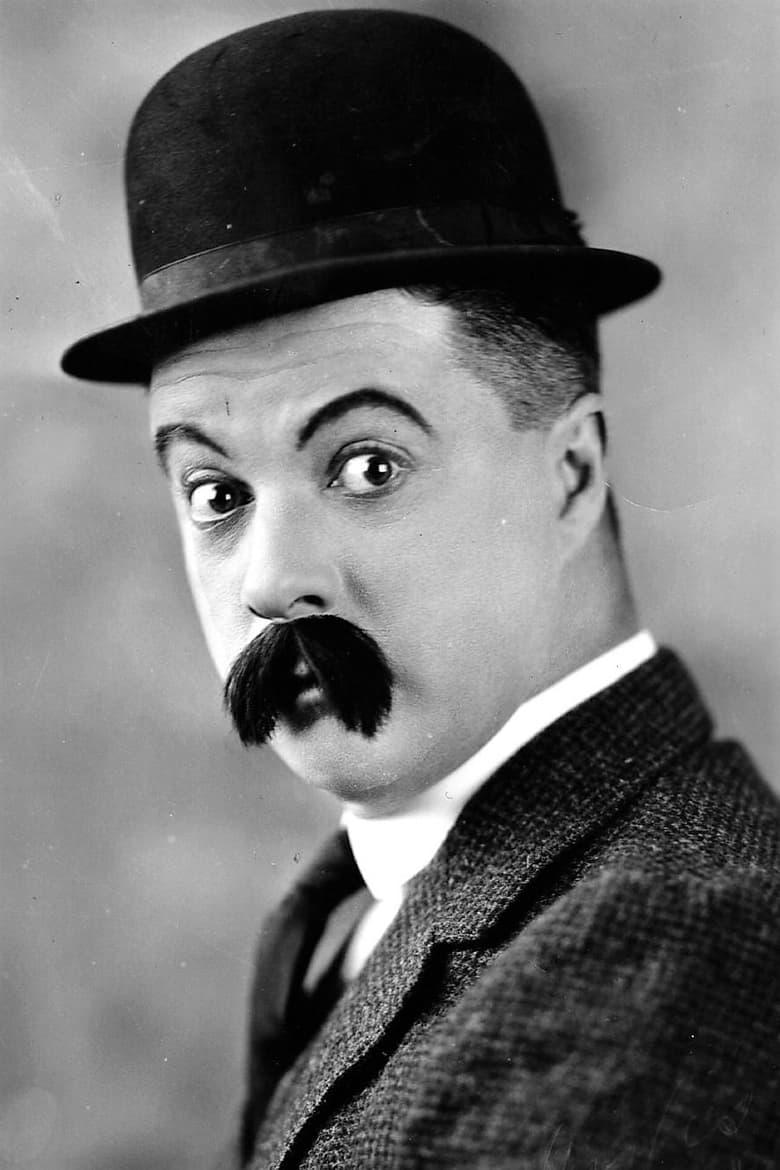
Billy Bevan
From Wikipedia, the free encyclopedia Billy Bevan (born William Bevan Harris, 29 September 1887 – 26 November 1957) was an Australian-born vaudevillian, who became an American film actor. He appeared in 254 American films between 1916 and 1950. Bevan was born in the country town of Orange, New South Wales, Australia. He went on the stage at an early age, traveled to Sydney and spent eight years in Australian light opera, performing as Willie Bevan. He sailed to America with the Pollard’s Lilliputian Opera Company in 1912 and later toured Canada. Bevan broke into films with the Sigmund Lubin studio in 1916. When the company disbanded, Bevan became a supporting actor in Mack Sennett movie comedies. An expressive pantomimist, Bevan's quiet scene-stealing attracted attention, and by 1922 Bevan was a Sennett star. He supplemented his income, however, by establishing a citrus and avocado farm at Escondido, California. Usually filmed wearing a derby hat and a drooping mustache, Bevan may not have possessed an indelible screen character like Charlie Chaplin but he had a friendly, funny presence in the frantic Sennett comedies. Much of the comedy depended on Bevan's skilled timing and reactions; the famous "oyster" routine performed on film by Curly Howard, Lou Costello, and Huntz Hall—in which a bowl of "fresh oyster stew" shows alarming signs of life and battles the guy trying to eat it—was originated on film decades earlier by Bevan in the short film Wandering Willies. By the mid-1920s Bevan was often teamed with Andy Clyde; Clyde soon graduated to his own starring series. The late 1920s found Bevan playing in wild marital farces for Sennett. The advent of talking pictures took their toll on the careers of many silent stars, including Billy Bevan. Bevan began a second career in "talkies" as a character actor and bit player in roles such as that of a bus driver in the 1929 film High Voltage, a hotel employee in the Mae Murray film Peacock Alley, and the supporting role of Second Lieutenant Trotter in Journey's End in 1930. His starring roles had come to an end, however, and for the next 20 years he often would play rowdy Cockneys (as in Pack Up Your Troubles with The Ritz Brothers), and affable Englishmen (as in Tin Pan Alley and Terror by Night). He played a friendly bus conductor opposite Greer Garson in one of the opening scenes of Mrs. Miniver. Bevan died in 1957 in Escondido, California, just before new audiences discovered him in Robert Youngson's silent-comedy compilations. (The Youngson films mispronounce his name as "Be-VAN"; Bevan himself offered the proper pronunciation in a Voice of Hollywood reel in 1930.)
Main movies and TV shows
- Rebecca (1940) — Policeman (uncredited)
- Bringing Up Baby (1938) — Joe (uncredited)
- Suspicion (1941) — Ticket Taker (uncredited)
- Mr. Deeds Goes to Town (1936) — Cabby (uncredited)
- The Picture of Dorian Gray (1945) — Malvolio Jones
- Mrs. Miniver (1942) — Bus Conductor (uncredited)
- I Married a Witch (1942) — Puritan Vendor (uncredited)
- Dracula's Daughter (1936) — Albert
- Dr. Jekyll and Mr. Hyde (1941) — Mr. Weller
- Terror by Night (1946) — Conductor Taking Tickets
- Jane Eyre (1943) — Bookie (uncredited)
- A Christmas Carol (1938) — Street Watch Leader
- The Invisible Man Returns (1940) — Jim (uncredited)
- Cavalcade (1933) — George Grainger
- National Velvet (1945) — Constable (uncredited)
- Penny Serenade (1941) — McDougal (uncredited)
- Cluny Brown (1946) — Uncle Arn Porritt
- The Pearl of Death (1944) — Constable With Food Tray (uncredited)
- The Long Voyage Home (1940) — Joe
- The Lodger (1944)
Facts
- Born: September 29, 1887
- Place of birth: Orange, Australia
- Died: November 26, 1957, Escondido, United States, aged 70
- Nationality: Australia
- Occupations: Actor, Director
- Languages: English
Detailed biography
Career
Bevan was born in the country town of Orange, New South Wales, Australia. He went on the stage at an early age, traveled to Sydney and spent eight years in Australian light opera, performing as Willie Bevan. He sailed to America with the Pollard’s Lilliputian Opera Company in 1912, and later toured Canada. Bevan broke into films with the Sigmund Lubin studio in 1916. When the company disbanded, Bevan became a supporting actor in Mack Sennett movie comedies. An expressive pantomimist, Bevan's quiet scene-stealing attracted attention, and by 1922 Bevan was a Sennett star. He supplemented his income, however, by establishing a citrus and avocado farm at Escondido, California.
Usually filmed wearing a derby hat and a drooping mustache, Bevan may not have possessed an indelible screen character like Charlie Chaplin but he had a friendly, funny presence in the frantic Sennett comedies. Much of the comedy depended on Bevan's skilled timing and reactions; he was the first to perform the familiar "oyster" routine—in which a bowl of "fresh oyster stew" shows alarming signs of life and battles the guy trying to eat it—in the Sennett comedy Wandering Willies (1926). The routine was later performed by Curly Howard, Lou Costello, and Huntz Hall.
By the mid-1920s Bevan was often teamed with Andy Clyde; Clyde soon graduated to his own starring series. The late 1920s found Bevan playing in wild marital farces for Sennett. Bevan lost his starring berth when Sennett canceled all contracts to retool his studio for the new talking pictures; Bevan had already completed several silent shorts, which were released gradually through 1929.
The advent of talkies took their toll on the careers of many silent stars, including Billy Bevan. Although he did co-star in a few talkie shorts, including the "Taxi Boys" comedy Thundering Taxis (1932) and the ZaSu Pitts short She Whoops to Conquer (1934), his starring roles had come to an end. He was still a resourceful actor, and in 1929 he began a second career as a character actor and bit player: a bus driver in High Voltage, a hotel employee in the Mae Murray film Peacock Alley, Second Lieutenant Trotter in Journey's End. For the next 20 years he often would play rowdy cockneys (as in Pack Up Your Troubles with The Ritz Brothers), and affable Englishmen (as in Tin Pan Alley and Terror by Night). He played a friendly bus conductor opposite Greer Garson in one of the opening scenes of Mrs. Miniver.
Billy Bevan died in 1957 in Escondido, California.
Source: Wikipedia — Text licensed under CC BY-SA 4.0