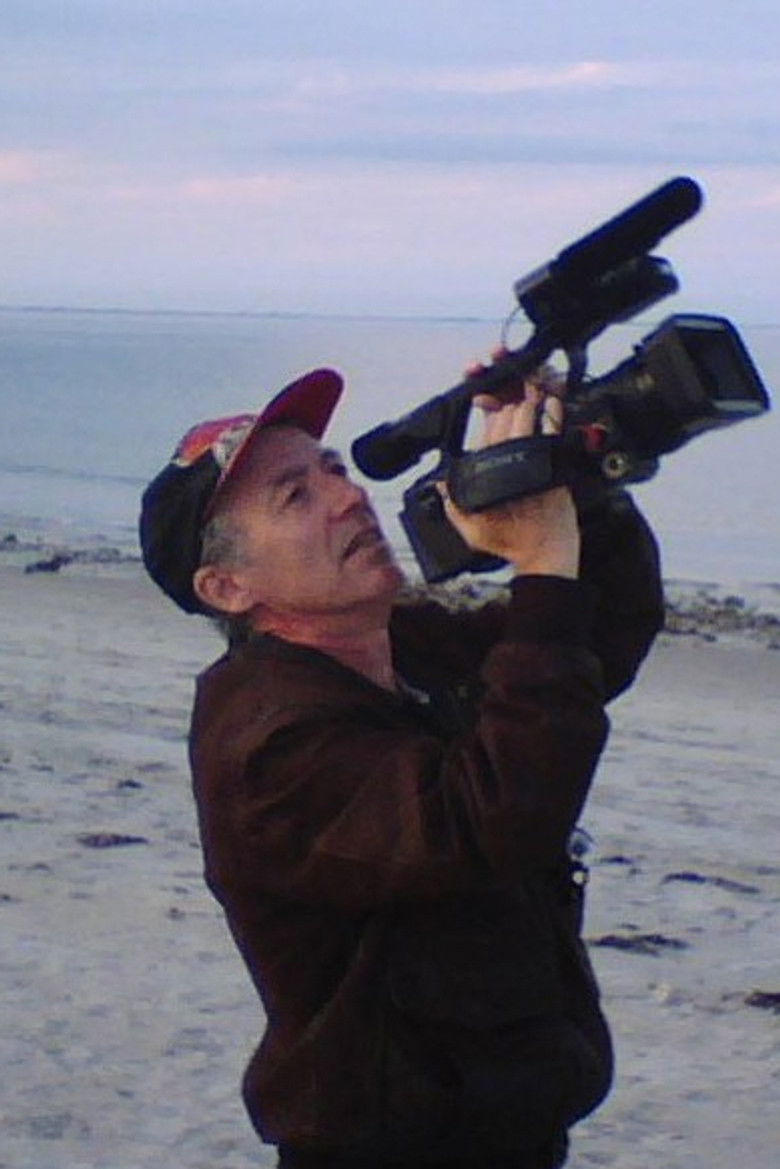
Richard Dindo
Richard Dindo was a Swiss documentary filmmaker of Italian heritage. He lived in Zürich and Paris. He was referred to as a "lawyerly filmmaker" for his meticulous and emotionally engaged research .
Main movies and TV shows
- The Execution of the Traitor to the Homeland Ernst S. (1976) — Director
- Ernesto Che Guevara, the Bolivian Diary (1994) — Director, Writer
- Arthur Rimbaud: A Biography (1991) — Director, Writer
- Genet à Chatila (1999) — Director, Writer
- Grüningers Fall (1998) — Director, Writer
- Dani, Michi, Renato & Max (1988) — Director, Writer
- Neither Forget nor Forgiveness (2004) — Director, Writer
- La maladie de la mémoire (2002) — Director
- HUG, les hôpitaux universitaires de Genève (1999) — Director
- Charlotte : « Vie ou théâtre ? » (1992) — Director
- Max Frisch, Journal I-III (1981) — Director, Writer
- Schweizer im Spanischen Bürgerkrieg (1974) — Director
- The Voyage of Bashô (2019) — Director, Writer
- Homo Faber (Trois femmes) (2015) — Director
- Gauguin à Tahiti et aux Marquises (2010) — Director
- The Marsdreamers (2009) — Director
- La Maternité des HUG (2006) — Director
- Who was Kafka? (2006) — Director, Writer
- Trois jeunes femmes (entre la vie et la mort) (2005) — Director
- Aragon, le roman de Matisse (2003) — Director
Facts
- Born: June 5, 1944
- Place of birth: Zurich, Switzerland
- Died: February 12, 2025, 19th arrondissement of Paris, France, aged 80
- Nationality: Switzerland
- Birth name: Riccardo Giannino Dindo
- Occupations: Director, Screenwriter, Producer, Documentary filmmaker
- Languages: German
Detailed biography
Background
Richard Dindo was the son of a construction worker of Italian origin. In 1966, he moved to Paris, where two years later he experienced the events of May 1968 firsthand. This experience had a profound influence on him.
As a self-taught filmmaker, he began working in documentary film and made his debut in 1970 with Die Wiederholung (The Repetition).
Through his politically engaged body of work, he challenged the dominant narrative and encouraged a different understanding of Swiss history. His most distinctive stylistic features were intensive research and careful reconstruction, combined with a clear political commitment.
Literature
Ute Schneider: Richard Dindo – Regisseur, Autor, Produzent. In: CineGraph – Lexikon zum deutschsprachigen Film, Lieferung 9, 1987.
Martin Walder: Richard Dindo, Erinnerungsarbeiter - Ein Streifzug durch seine Filme. Chronos Verlag, 2026. https://www.chronos-verlag.ch/node/29162 & https://www.nzz.ch/feuilleton/sprache-kann-mehr-ausdruecken-als-bilder-tiefe-und-ueberraschende-einsichten-in-die-filme-von-richard-dindo-ld.1923692
Source: Wikipedia — Text licensed under CC BY-SA 4.0