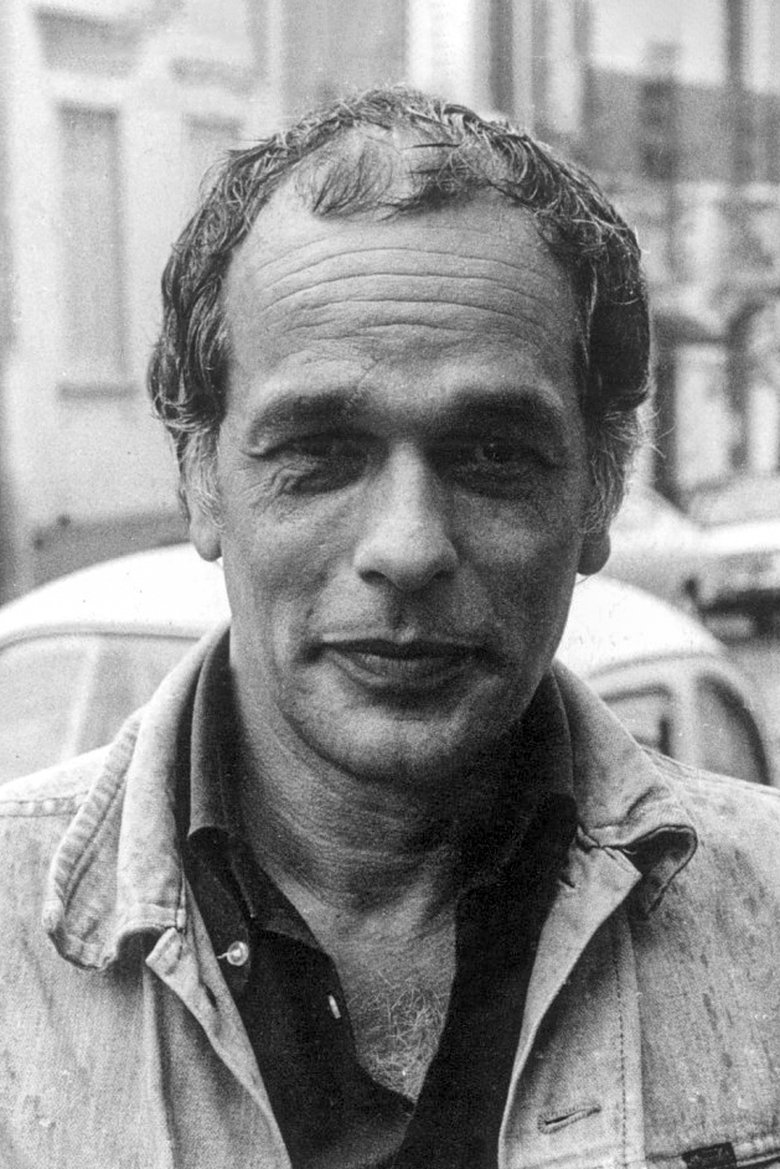
Nelson Pereira dos Santos
Nelson Pereira dos Santos ComRB • OMC (São Paulo, October 22, 1928 — Rio de Janeiro, April 21, 2018) was a Brazilian film director, producer and screenwriter. Having been one of the founders of the Cinema Novo movement, his production spans a period of 60 years in the history of Brazil. Considered one of the most important filmmakers in the country, he was strongly influenced by the works of the 1930s generation of Brazilian literary modernism, having adapted works by Graciliano Ramos and Jorge Amado for cinema. His film Vidas Secas, based on Graciliano's novel, is one of the most awarded Brazilian films of all time, being recognized as a masterpiece. In 2006, he was elected Immortal by the Brazilian Academy of Letters, a position he held until his death in 2018.
Main movies and TV shows
- Barren Lives (1963) — Director, Writer
- How Tasty Was My Little Frenchman (1971) — Director, Writer
- Rio, 100 Degrees F° (1955) — Director, Writer
- Rio, Northern Zone (1957) — Director, Writer
- Memories of Prison (1984) — Director, Writer
- The Alienist (1970) — Director, Writer
- The Amulet of Ogum (1974) — Director, Writer
- Hunger for Love (1968) — Director, Writer
- Brasília 18% (2006) — Director, Writer
- Tent of Miracles (1977) — Director, Writer
- Jubiabá (1987) — Director, Writer
- Who Is Beta? (1972) — Director, Writer
- El Justicero (1967) — Director, Writer
- The Music According to Tom Jobim (2012) — Director, Writer
- Cinema of Tears (1995) — Director, Writer
- A Missa do Galo (1982) — Director, Writer
- Meu Compadre, Zé Ketti (2001) — Director
- The Third Bank of the River (1994) — Director, Writer
- Golden Mouth (1963) — Director, Writer
- Red Mandacaru (1961) — Augusto
Facts
- Born: October 22, 1928
- Place of birth: São Paulo, Brazil
- Died: April 21, 2018, Rio de Janeiro, Brazil, aged 89
- Nationality: Brazil
- Occupations: Director, Screenwriter, Film editor, Actor
- Languages: Portuguese, Brazilian Portuguese, French
- Education: Institut des hautes études cinématographiques, University of São Paulo
Family
- Children: Ney Santanna
Detailed biography
Biography
Pereira dos Santos, named in honor of Horatio Nelson, was born in São Paulo, Brazil. Himself a frequenter of the cinema, Pereira dos Santos's father brought his very young son to the movie theater for the first time. By secondary school Pereira dos Santos was already fond of literature, and at 15 years old he joined the Brazilian Communist Party and became close to one of its other members, Astrogildo Pereira. At the time the party was considered illegal by the government of Getúlio Vargas.
The first feature film he directed was Rio 40 Graus, which was released in 1955. The film is a chronicle of life in the favelas of Rio de Janeiro, and it influenced several other directors, spurring the Cinema Novo movement. In 1963, Pereira dos Santos was a member of the jury at the 3rd Moscow International Film Festival. In 1981 he was a member of the jury at the 12th Moscow International Film Festival.
His most well-known film outside Brazil is Como Era Gostoso o Meu Francês (How Tasty Was My Little Frenchman, 1971). It was entered into the 21st Berlin International Film Festival. The film takes place in the sixteenth century and details the alleged cannibalistic practices of the (now extinct) indigenous Tupinamba warrior tribe against the French and Portuguese colonizers of the Brazilian littoral. The film is something of a black comedy about European colonialism—one that makes satirical use of the Brazilian modernist trope of Antropofagia ("cultural cannibalism"), then recently revived by the Tropicalismo movement of the 1960s—as well as a bitter commentary on the historical genocide of the indigenous tribes in Latin America and the gradual destruction of their civilization.
His 1994 film The Third Bank of the River was entered into the 44th Berlin International Film Festival.
Pereira dos Santos' 2006 film Brasília 18% explores some of the darker aspects of contemporary Brazilian politics such as political corruption, the murder of trial witnesses, and money laundering.
Pereira dos Santos was a member of the Brazilian Academy of Letters since 2006.
Death
Pereira dos Santos died of multiple organ failure in Rio de Janeiro on 12 April 2018. He was 89.
Bibliography
Darlene J. Sadlier: Nelson Pereira dos Santos (Contemporary Film Directors), University of Illinois Press, 2003, ISBN 0-252-07112-3
Source: Wikipedia — Text licensed under CC BY-SA 4.0