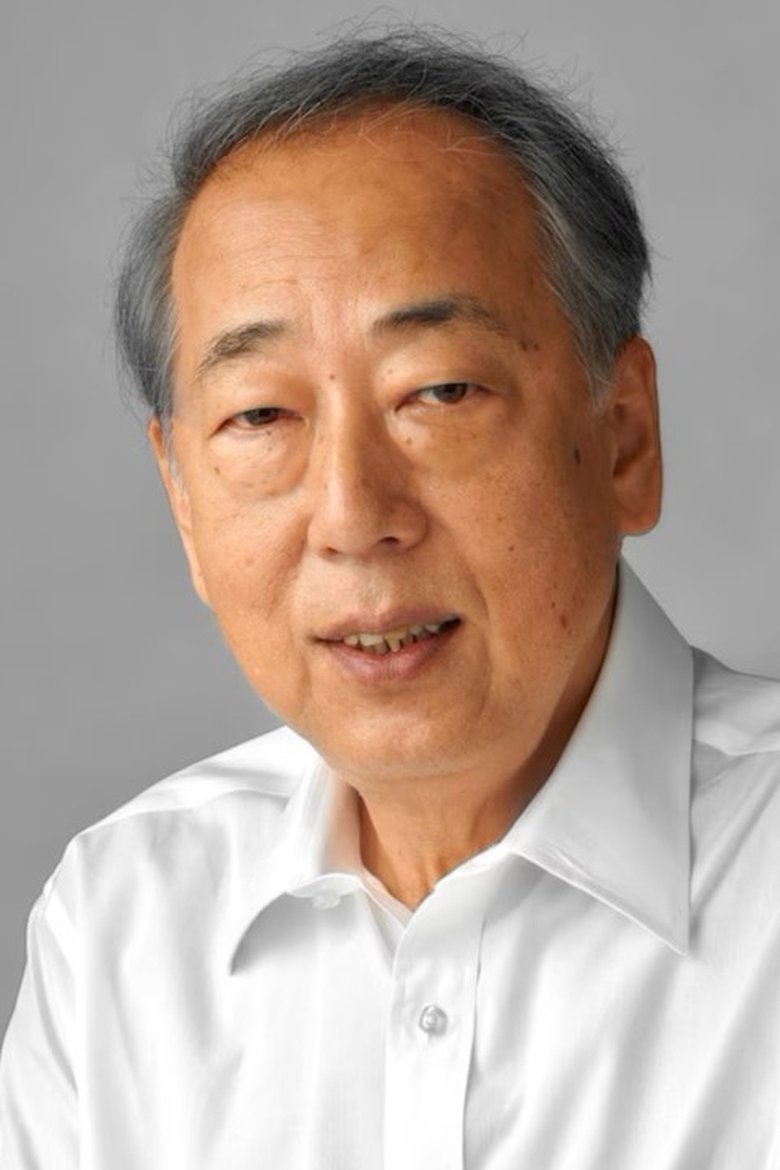
Ittoku Kishibe
Ittoku Kishibe (岸部一徳) is a Japanese actor, bassist, and lyricist. He originally entered showbusiness as the bassist for the Japanese rock bands The Tigers, PYG, and Inoue Takayuki Band, but later switched to acting. The veteran of over 115 films, he won the Japanese Academy Award for Outstanding Actor in a Leading Role in 1991 for "The Sting of Death," and was nominated for the Best Supporting Actor award in 1994. He has an agency, UN et NEUF, and he is the president of Kenji Sawada's private office "Kokoro Co., Ltd."
Main movies and TV shows
- 13 Assassins (2010) — Yatokube Sanshu
- Zatoichi (2003) — Boss Inosuke Ginzo
- Violent Cop (1989) — Nito
- Survive Style 5+ (2004) — Tatsuya Kobayashi
- Outrage Coda (2017) — Morishima
- Vital (2004) — Dr. Kashiwabuchi
- Adrift in Tokyo (2007) — Ittoku Kishibe
- Hula Girls (2006) — Norio Yoshimoto
- Shark Skin Man and Peach Hip Girl (1999) — Tanuki
- The Funeral (1984) — Akira
- His Motorbike, Her Island (1986) — News Reporter
- Séance (2004) — College Professor
- The Makioka Sisters (1983) — Itakura
- Gojoe: Spirit War Chronicle (2001) — Taira no Tadanori
- Kubi (2023) — Sen no Rikyu
- The Girl Who Leapt Through Time (1983) — Toshio Fukushima
- Doctor-X: Surgeon Michiko Daimon (2012) — Akira Kanbara
- Happy Flight (2008) — Shoji Takahashi
- Hero (2007) — Kaoru Kayama
- Sword of Desperation (2010) — Deputy Chief Retainer Tsuda
Facts
- Born: January 9, 1947 (age 79)
- Place of birth: Kyoto, Japan
- Nationality: Japan
- Height: 1.81 m
- Birth name: 岸部 修三
- Occupations: Musician, Actor, Lyricist, Bassist
- Languages: Japanese
- Education: Kyoto Municipal Fushimi Technical High School
Family
- Siblings: Shiro Kishibe
Detailed biography
Career
He originally entered show business as the bassist for the Japanese rock bands, The Tigers and Pyg, but later switched to acting. The veteran of over 115 films, he won the Best Actor Japanese Academy Award for The Sting of Death in 1991, and was nominated for the Best Supporting Actor award in 1994. He appeared in Toshiyuki Morioka's Jokyo Monogatari in 2013.
Source: Wikipedia — Text licensed under CC BY-SA 4.0