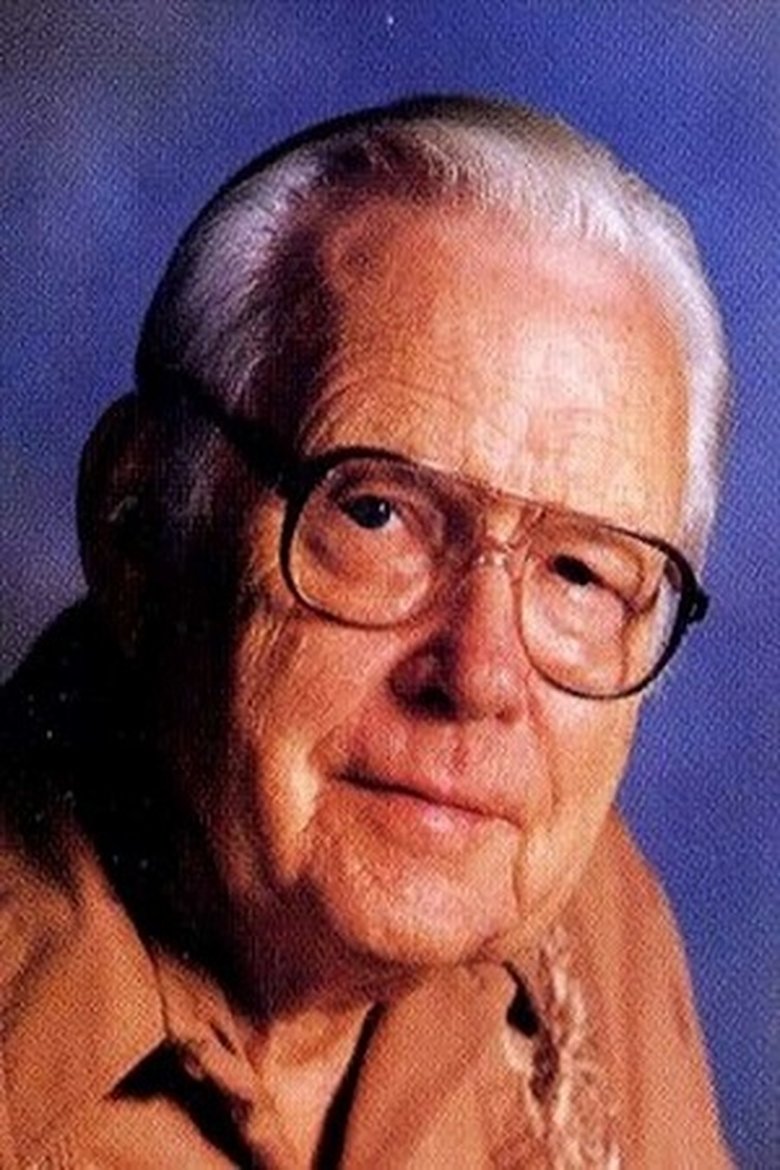
Ken Anderson
Ken Anderson (September 23, 1917 – March 12, 2006) was an American film director, producer and screenwriter of Christian-themed films, most remembered for his film Pilgrim’s Progress. Anderson was also a prolific writer with 77 books published over a span of 6 decades since the 1940s, including his best known book Where to Find It in the Bible. He was also an editor for the magazine Youth for Christ. Anderson co-founded Gospel Films. But in 1961, he and his wife Doris (Jones) left to form Ken Anderson Films. Over 200 Christian films have been produced since then, including original dramas for many overseas countries.
Main movies and TV shows
- Pilgrim's Progress (1978) — Director, Writer
- Hudson Taylor (1981) — Director, Writer
- Christiana (1979) — Director
- Man of Steel (1967) — Director
- Senior Year (1978) — Writer
- Journey to the Sky (1977) — Director
- In His Steps (1964) — Director, Writer
- Deceitful Hearts (1992) — Writer
- Fanny Crosby (1984) — Director, Writer
- Mud, Sweat and Cheers (1984) — Director
- The Answer (1982) — Director, Writer
- Elephant Boy (1979) — Director, Writer
- The Deceiver (1975) — Director, Writer
- Adventures in Puppet Valley: Cooked Goose (1974) — Director
- Apache Fire (1974) — Writer
- Mysterious Cabin (1973) — Writer
- Man to Man (1972) — Director, Writer
- Toby's Treehouse — Director
Facts
- Born: September 23, 1917
- Place of birth: Rembrandt, United States
- Died: March 12, 2006, aged 88
- Nationality: United States
- Occupations: Screenwriter, Director, Producer
Detailed biography
Early life and education
Anderson was born in Rembrandt, Iowa. His mother died during childbirth, and Anderson was raised by his father and paternal grandmother. He studied at Wheaton College and Trinity International University in Illinois, later joining the Evangelical Free Church as a pastor. He preached in churches in Isle, Minnesota, and later in Newman Grove, Nebraska. In 1944, he became the first full-time editor for Ignite Your Faith magazine, then known as Youth For Christ, through which he met Robert Pierce. In 1948, under Pierce's guidance, he traveled through China as a missionary, and was influenced by the 1948 documentary China Challenge made by Pierce and producer/director Dick Ross.
Career
Through overseas ministry work in China in the late 1940s, Anderson gained experience in scriptwriting and film production and produced the short documentary This Way to the Harvest. After relocating to the Youth Haven Boys’ Home in Muskegon, Michigan, he wrote a book inspired by the lives of residents there, which became the basis for his first feature film, That Kid Buck in 1949. After the film's success, Anderson proposed forming a nonprofit Christian film company. Gospel Films was founded in 1949.
Gospel Films was initially governed by a small board of evangelical leaders and businesspeople, many of whom had ties to Youth for Christ. During the organization's early years, Anderson wrote, directed, and produced several low-budget films. The company developed a nationwide rental-based distribution network through Gospel Film Libraries, which allowed churches and youth groups to rent films rather than purchase them.
In the mid-1950s, Gospel Films began producing more films aimed at young people with the appointment of Billy Zeoli to lead its Youth Films division. Zeoli sought wider distribution for the company's films and supported the production of films aimed at teenagers and college students. Anderson and Zeoli later disagreed over the company's direction. Anderson favored evangelistic and missionary films, while Zeoli supported films intended for a broader audience.
In 1959, Anderson was a candidate for president of Gospel Films. Following a board election conducted by secret ballot, Zeoli was selected instead. Anderson accepted the decision and left Gospel Films in December 1960. He (and his wife Doris) subsequently founded Ken Anderson Films in 1961.
Ken Anderson Films was a not-for-profit company that eventually released over 200 titles. Anderson produced Pilgrim's Progress and its sequel, Christiana. He also produced biographical films about Hudson Taylor and Fanny Crosby.
Legacy
Anderson's papers and films are preserved at the Billy Graham Center Archives at Wheaton College.
According to Terry Lindvall and Andrew Quicke, Anderson was a pioneer in Christian filmmaking who influenced the creation of other nonprofit Christian film companies.
Personal life and death
In 1938 Anderson married Doris Ilene Jones (1918–2013), and together they had seven children. He died in 2006 of natural causes in Winona Lake outside of Warsaw, Indiana.
Source: Wikipedia — Text licensed under CC BY-SA 4.0