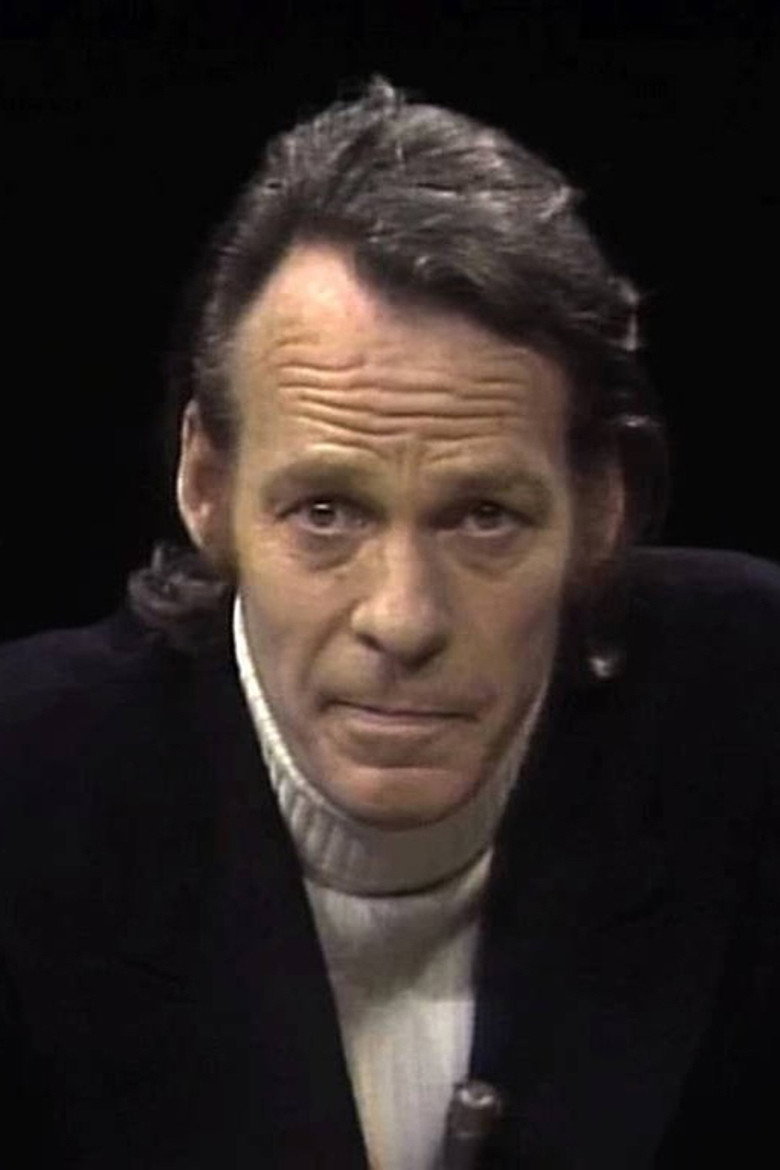
Robert Gardner
Robert Gardner was the Director of the Film Study Center at Harvard University from 1957 to 1997. He is known for his work in the field of non-fiction film. He is an internationally renowned filmmaker and author whose works have entered the permanent canon of non-fiction filmmaking. Some of his most prominent films include Dead Birds (1964), a lyric account of the Dugum Dani, a Stone Age society at one time living an isolated existence in the Highlands of the former Netherlands New Guinea (Gardner was the leader of the Peabody Museum-sponsored expedition to study the Dani in 1961-62); Rivers of Sand (1974), a social commentary on the Hamar people of southwestern Ethiopia; and Forest of Bliss (1985), a cinematic essay on the ancient city of Benares, India, which explores the ceremonies, rituals, and industries associated with death and regeneration. Gardner’s films have received numerous awards, including the Robert J. Flaherty Award for best nonfiction film (twice); the Golden Lion for Best Film at the Florence Film Festival (three times); and First Prizes at the Trento, USA Dallas, Melbourne, Nuoro, EarthWatch, Athens, and San Francisco film festivals. His films have been invited to Festivals throughout the world including Jerusalem, Bergen, London, Munich, Toronto, Montreal, Margaret Mead, Marseilles, Locarno, Chicago and Cinema du Réel.
Main movies and TV shows
- Forest of Bliss (1986) — Director
- Dead Birds (1963) — Narrator
- The Hunters (1957) — Director
- Rivers of Sand (1974) — Director, Writer
- Altar of Fire (1976) — Director
- Screening Room (1972) — Himself
- Deus Ex Boltanski (2010) — Director
- Still Journey On (2010) — Director
- Islam: Empire of Faith (2001) — Director
- Good to Pull (Bon a Tirer) (2000) — Director
- Looking at Forest of Bliss (2000) — Himself
- Sean Scully: Passenger (1998) — Director
- It Could Be Good, It Could Be Bad (1997) — Director
- Scully in Malaga (1997) — Director
- Sean Scully: Testigos AKA The Witnesses (1997) — Director
- Dancing with Miklos (1993) — Director
- Hauling Sharks (1988) — Director
- Ika Hands (1988) — Director, Writer
- Life Keeps on Passing (1985) — Director
- Sons of Shiva (1985) — Director
Facts
- Born: November 5, 1925
- Place of birth: Brookline, United States
- Died: June 21, 2014, Cambridge, United States, aged 88
- Nationality: United States
- Occupations: Director, Documentary filmmaker, Anthropologist, Documentarian
- Languages: English
- Education: Harvard University
Family
- Spouse: Adele Pressman
- Father: George Peabody Gardner, Jr.
- Mother: Rose Phinney Gardner
Detailed biography
Biography
Gardner was the sixth child and third son, born in the home of his grandmother Isabella Stewart Gardner. He was a cousin of poet Robert Lowell.
After graduating with a Bachelor of Arts from Harvard University in 1947, Gardner became an assistant to Thomas Whittemore at Harvard's Fogg Museum, traveling to Anatolia, Faiyum, and London to work with Coptic textiles and restore Byzantine art. He briefly taught medieval art and history at the College of Puget Sound in Washington state, where he studied the writings of anthropologist Ruth Benedict. He then earned an MA in anthropology from Harvard. During this period, he joined an expedition among Kalahari Desert Bushmen, photographing, filming, and conducting preliminary fieldwork. In 1957, he founded The Film Study Center, a production and research unit at the Peabody Museum at Harvard, where he made documentary films until he left the center in 1997.
He lived in Cambridge, Massachusetts with his wife, psychiatrist Dr. Adele Pressman, and children.
The Peabody Museum of Archaeology and Ethnology awards the Robert Gardner Fellowship in Photography, worth $50,000.
Screening Room
Gardner also hosted a Boston television series from 1972 to 1981 on an ABC affiliate, featuring works by independent filmmakers across animation (Jan Lenica, Caroline Leaf, John and Faith Hubley), experimental (Hollis Frampton, Standish Lawder), and documentary film (Les Blank, Hilary Harris).
Related filmmakers
Tim Asch
John Marshall
Bibliography
Gardner, Robert. 2006. The Impulse to Preserve: Reflections of a Filmmaker. Other Press.
The Cinema of Robert Gardner, by Ilisa Barbash, Lucien Taylor. Berg, 2007. ISBN 978-1-84520-774-8.
Harry Tomicek. 1991 Gardner Österreichisches Filmmuseum. (In German)
Source: Wikipedia — Text licensed under CC BY-SA 4.0