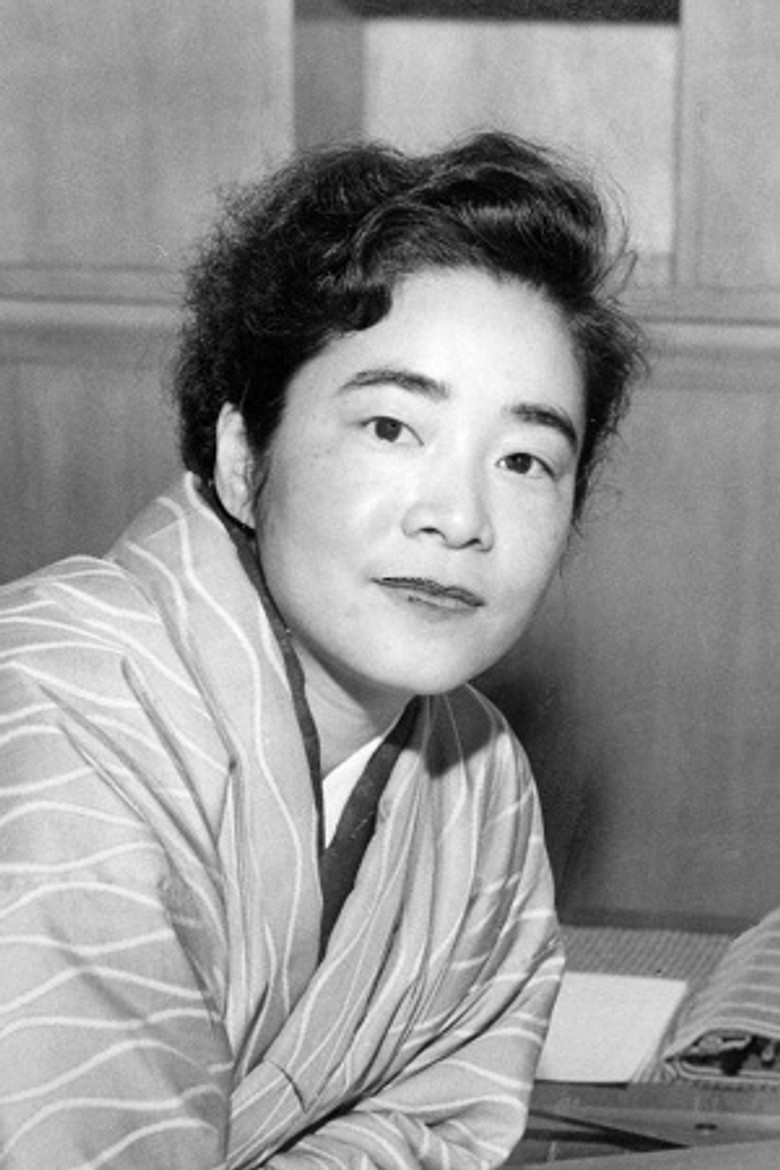
Machiko Hasegawa
Machiko Hasegawa was one of the first female manga artists.
Main movies and TV shows
Facts
- Born: January 30, 1920
- Place of birth: Taku, Japan
- Died: May 27, 1992, Tokyo, Japan, aged 72
- Nationality: Japan, Empire of Japan
- Occupations: Writer, Mangaka, Illustrator
- Languages: Japanese
Detailed biography
Life and career
Machiko Hasegawa was born January 30, 1920, in Taku, Saga Prefecture. When she was 15, her father died and the family moved to Tokyo, where she took up drawing cartoons. She successfully published several in magazines and newspapers, such as Sazae-san (サザエさん; 1946–1974), Ijiwaru Bā-san (いじわるばあさん; "Granny Mischief", 1966–1971), Epuron Oba-san (エプロンおばさん; "Aunt Apron", 1957–1965), and a few that only ran for a short while. Her comics were the first to follow a consistent four-panel layout, which later became the standard.
Hasegawa never married, instead living with her older sister Mariko. Both were art collectors, and their collection is housed in the Hasegawa Machiko Art Museum. The two started the Shimaisha Publishing Company, through which 20 million paperback copies of her comics have been published. Hasegawa died of heart failure on May 27, 1992, at the age of 72. Towards the end of her life she stopped appearing in public and on television, and her death was kept a secret for 35 days after her private funeral as requested in her will.
Sazae-san
Sazae-san was a popular postwar comic strip depicting the life of Sazae-san, a fictional Japanese housewife.
The comic strip was turned into a dramatic radio series in 1955 and a weekly animated series in 1969, which is still running as of 2026.
Hasegawa was involved in a court case with a bus company's unapproved use of Sazae-san and its characters in promotional images, as well as the name of the business, "Sazae-san Tours". As a result of this case, new copyright laws were established that extended protection for fictional characters as individual identities, not just within their series of origin.
Selected comics were translated into English, under the title The Wonderful World of Sazae-san.
Source: Wikipedia — Text licensed under CC BY-SA 4.0