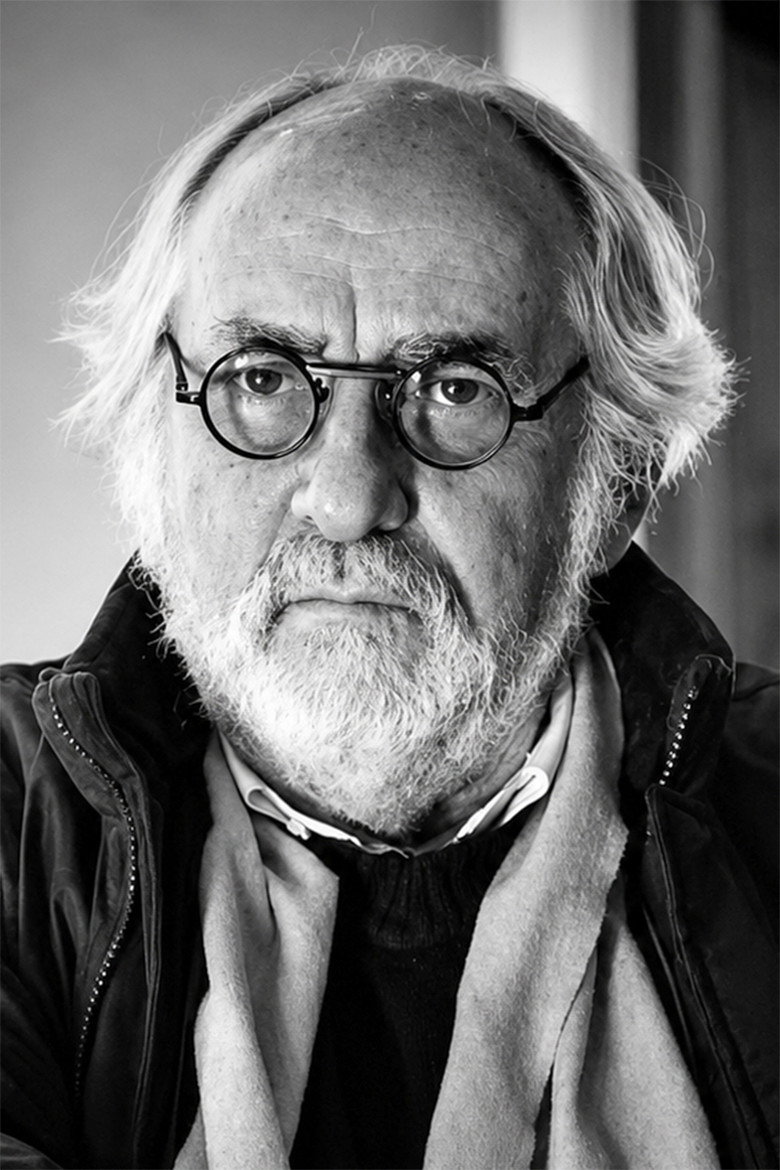
Arturo Ripstein
Arturo Ripstein y Rosen (born December 13, 1943) is a Mexican film director. Ripstein got his break into movies working as an uncredited assistant director for Luis Buñuel. In 1965, he directed his first feature, Tiempo de Morir. Written by Carlos Fuentes and Gabriel García Márquez, it began a tradition of making independent films written by high-profile Latin-American authors. His 1981 film Seduction was entered into the 12th Moscow International Film Festival. His 1989 film Love Lies was entered into the 16th Moscow International Film Festival. In 1997 Ripstein won the National Prize of Arts and Sciences, the second filmmaker after Buñuel to do so. Some of Ripstein's films, especially the earlier ones, "highlighted characters beset by futile compulsions to escape [their]destinies". Many of his films are shot in tawdry interiors, with bleak brown color schemes, and seedy pathetic characters who manage to achieve a hint of pathos and dignity. Asi Es la Vida, according to Jonathan Crow, "boldly reworks the ancient Greek drama Medea, employing a dizzying array of flashbacks and Brechtian devices". Deep Crimson, according to the New York Times, is "a ferociously anti-romantic portrait of an obese nurse and a seedy small-time gigolo whose bungling scheme to swindle a succession of lonely women out of their life savings turns into a killing spree."
Main movies and TV shows
- The Virgin of Lust (2002) — Director
- Devil Between the Legs (2019) — Director
- Castle of Purity (1973) — Director, Writer
- Dulce Desafío (1988) — Director
- The Place Without Limits (1978) — Director, Writer
- Deep Crimson (1996) — Director
- Aunt Alejandra (1980) — Director
- No One Writes to the Colonel (1999) — Director
- The Black Widow (1983) — Director
- Simplemente Maria (1989) — Director
- Life Sentence (1979) — Director, Writer
- Time to Die (1966) — Director
- The Realm of Fortune (1986) — Director
- The Beginning and the End (1994) — Director
- The Holy Inquisition (1974) — Director, Writer
- Foxtrot (1976) — Director, Writer
- Such is Life (2001) — Director
- Woman of the Port (1996) — Director
- The Queen of the Night (1994) — Director
- Bleak Street (2015) — Director
Facts
- Born: December 13, 1943 (age 82)
- Place of birth: Mexico City, Mexico
- Nationality: Mexico
- Occupations: Director, Screenwriter
- Languages: Spanish
- Education: Universidad Iberoamericana
Family
- Spouse: Paz Alicia Garciadiego
- Children: Gabriel Ripstein
- Father: Alfredo Ripstein
- Siblings: Patricia Ripstein
Detailed biography
Early life
Ripstein was born in Mexico City on 13 December 1943, to producer Alfredo Ripstein and Frida Rosen. His family is of Polish Jewish descent in both sides. He developed an interest in filmmaking from a young age due to his family's proximity, and made short films as a teenager. He met Luis Buñuel after seeing Nazarín, and they developed a close mentor-student relationship that lasted until Bunuel's death.
Career
After working as Bunuel's uncredited assistant director on The Exterminating Angel (1962), Ripstein got his break into movies working learning from Luis Buñuel. In 1965, he directed Tiempo de morir, his first feature. Written by Carlos Fuentes and Gabriel García Márquez, it began a tradition of making independent films written by high-profile Latin-American authors. His 1981 film Seduction was entered into the 12th Moscow International Film Festival. His 1989 film Love Lies was entered into the 16th Moscow International Film Festival.
Some of Ripstein's films, especially the earlier ones, "highlighted characters beset by futile compulsions to escape [their] destinies". Many of his films are shot in tawdry interiors, with bleak brown color schemes, and seedy pathetic characters who manage to achieve a hint of pathos and dignity. Así es la vida, according to Jonathan Crow, "boldly reworks the ancient Greek drama Medea, employing a dizzying array of flashbacks and Brechtian devices". Deep Crimson, according to the New York Times, is "a ferociously anti-romantic portrait of an obese nurse and a seedy small-time gigolo whose bungling scheme to swindle a succession of lonely women out of their life savings turns into a killing spree."
In 1997, Ripstein won the National Prize of Arts and Sciences, the second filmmaker after Buñuel to do so.
Personal life
Ripstein is married to screenwriter Paz Alicia Garciadiego, with whom he has two children. In 2003, the two received honorary Spanish citizenship.
Source: Wikipedia — Text licensed under CC BY-SA 4.0