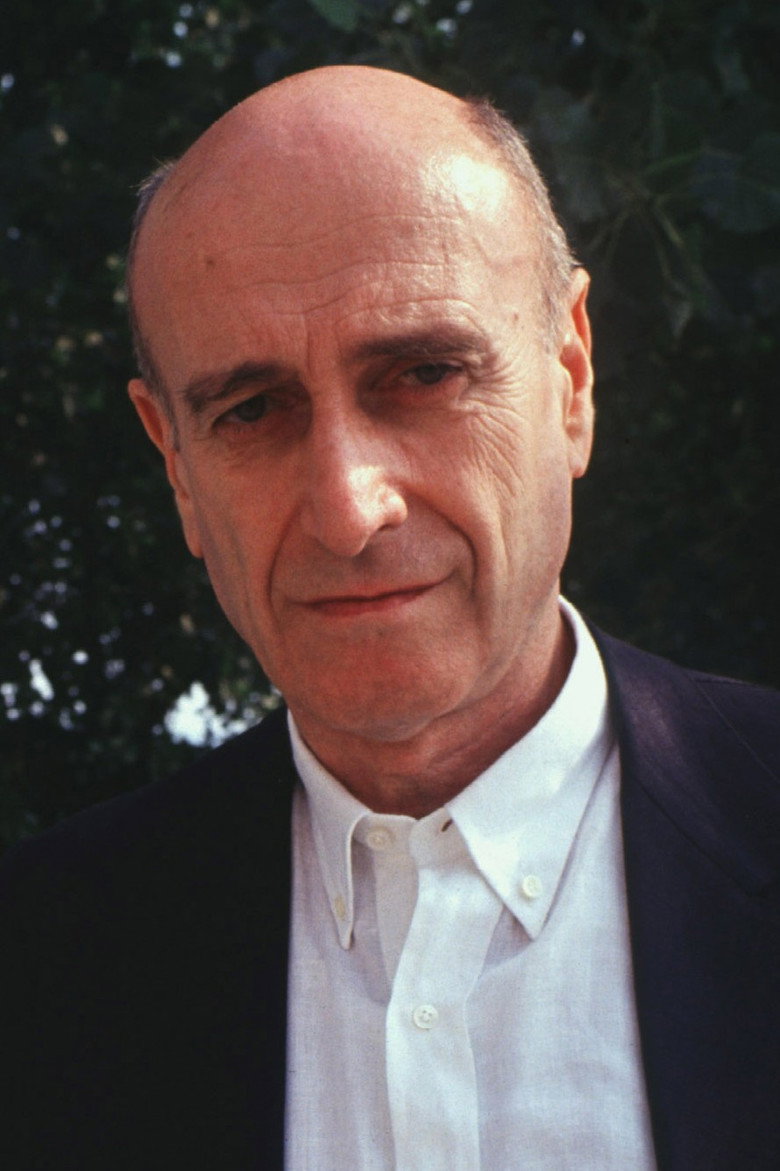
Fabio Carpi
Fabio Carpi (19 January 1925 – 26 December 2018) was an Italian director, screenwriter, and author.
Source: Wikipedia — Text licensed under CC BY-SA 4.0
Main movies and TV shows
- The Widower (1959) — Writer
- The Witches (1967) — Writer
- The Odyssey (1968) — Writer
- Day of the Cobra (1980) — Writer
- Almost a Man (1966) — Writer
- Diary of a Schizophrenic Girl (1968) — Writer
- Body of Love (1972) — Director, Writer
- Liberty (1972) — Writer
- Venus in the Sun (1964) — Writer
- Floradas na Serra (1954) — Writer
- Road to Crime (1954) — Writer
- My Father (2003) — Writer
- Necessary Love (1991) — Director
- The Basileus Quartet (1983) — Director, Writer
- Le intermittenze del cuore (2003) — Director, Writer
- Nobel (2001) — Director, Writer
- Invasion (1970) — Writer
- Your Turn to Die (1967) — Writer
- É Proibido Beijar (1954) — Writer
- Homer: Portrait of the Artist as an Old Man (1997) — Director
Facts
- Born: January 19, 1925
- Place of birth: Milan, Italy
- Died: December 26, 2018, 6th arrondissement of Paris, France, aged 93
- Nationality: Italy, Kingdom of Italy
- Birth name: Fabio Timoleone Carpi
- Occupations: Screenwriter, Director, Writer, Essayist
- Languages: Italian, French, Portuguese
Detailed biography
Life and career
Born in Milan, Carpi began his career in the 1940s as a film critic for the newspapers Libera Stampa and L'Unità. He moved to Brazil in 1951 where he started collaborating on some screenplays. He returned to Italy in 1954, and until 1971, he was active as a screenwriter for notable directors such as Antonio Pietrangeli, Dino Risi, and Vittorio De Seta. He won a Nastro d'Argento for the screenplay of Nelo Risi's Diary of a Schizophrenic Girl in 1971. From 1957 he was also a critically acclaimed novelist and essayist. His novel Patchwork won the Bagutta Prize in 1998.
After a 1968 documentary short, in 1972 Carpi made his feature film debut with the drama Corpo d'amore. His films were referred to as "figuratively accurate, literary, often metaphorical and difficult to understand", and "deep explorations of the human psyche".
Source: Wikipedia — Text licensed under CC BY-SA 4.0