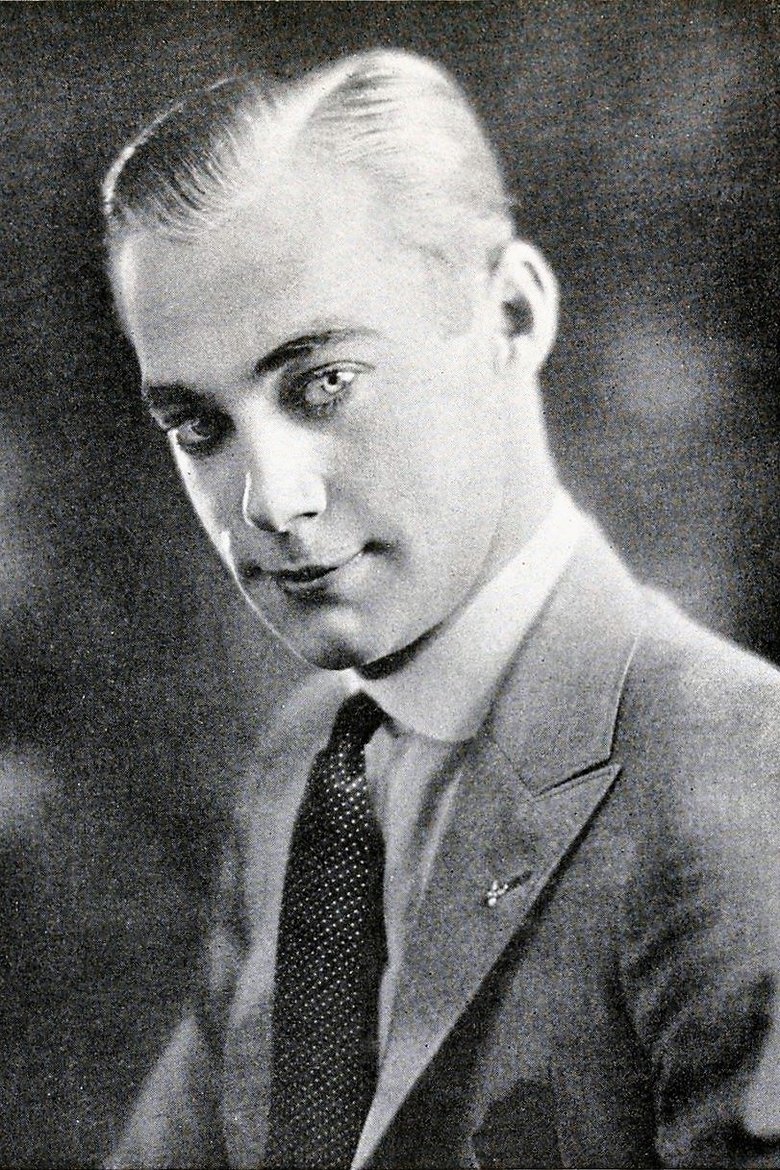
Al St. John
From Wikipedia, the free encyclopedia Al St. John (September 10, 1893 – January 21, 1963) in his persona of Fuzzy Q. Jones basically defined the role and concept of "comical sidekick" to cowboy heroes from 1930 to 1951. St. John also created a character, "Stoney," in the first of a continuing Western film series, The Three Mesquiteers, that was later played (at a low point in his own career) by John Wayne. Born in Santa Ana, California, St. John entered silent films around 1912 and soon rose to co-starring and starring roles in short comic films from a variety of studios. His uncle, Roscoe "Fatty" Arbuckle, may have helped him in his early days at Mack Sennett Studios, but talent kept him working. He was slender, sandy-haired, handsome and a remarkable acrobat. St. John frequently appeared as Arbuckle's mischievously villainous rival for the attentions of leading ladies like Mabel Normand, and worked with Arbuckle and Charles Chaplin in The Rounders (1914). The most critically praised film from St. John's period with Arbuckle remains Fatty and Mabel Adrift (1916) with Normand. The name Fuzzy originally belonged to a different actor, John Forrest “Fuzzy“ Knight, who took on the role of cowboy sidekick before St. John. As the studio first intended to hire Knight for the western series but then gave the role to St. John instead, he took on the nickname of his rival for his screen character. In most of his films, screen time was set aside for St. John to do a sort of solo comedy act, emphasizing amazing pratfalls and acrobatics. He might "find" a bicycle on a fairground set, and do an astonishing sequence of acrobatic stunts on the cycle, or he might try to capture a rat, bat, skunk, gopher, or bug with hilarious and chaotic consequences. Another stunt which he used in nearly every Western was virtually his trademark: he would mount his horse in apparently the standard manner, but somehow wind up sitting facing backward, and often would ride off with the hero in this unusual orientation. When Crabbe left PRC (according to interviews, in disgust at their increasingly low budgets), St. John was paired with new star Lash LaRue. Ultimately, St. John made more than 80 Westerns as Fuzzy. His last film was released in 1952. From that time on until his death in 1963 in Lyons, Georgia, he made personal appearances at fairs and rodeos, and travelled with the Tommy Scott Wild West Show. Altogether, Al St. John acted in 346 movies, spanning four decades from 1912 to 1952. Description above from the Wikipedia article Al St. John, licensed under CC-BY-SA, full list of contributors on Wikipedia.
Main movies and TV shows
- The General (1926) — Officer on Horseback (uncredited)
- The Scarecrow (1920) — Man with Motorbike (uncredited)
- The High Sign (1921) — Man On Beach
- Mabel's Strange Predicament (1914) — Bellboy
- The Cook (1918) — Holdup Man (uncredited)
- Tillie's Punctured Romance (1914) — Keystone Kop (uncredited)
- Mabel's Married Life (1914) — Delivery Boy (uncredited)
- Coney Island (1917) — Old Friend of Fatty's Wife
- The Rough House (1917) — Cook
- The Butcher Boy (1917) — Alum
- The Rounders (1914) — Bellhop / Waiter
- Tango Tangles (1914) — Guest in Convict Costume (uncredited)
- His Wedding Night (1917) — Rival employee
- Caught in a Cabaret (1914) — Singer (uncredited)
- The New Janitor (1914) — Elevator boy
- The Bell Boy (1918) — Desk Clerk
- Good Night, Nurse! (1918) — Surgeon's Assistant
- Out West (1918) — Wild Bill Hickup
- The Knockout (1914) — Boxer - Pug's Rival / Desk Sergeant / Cop (uncredited)
- Oh, Doctor! (1917) — Gambler
Facts
- Born: September 10, 1892
- Place of birth: Santa Ana, United States
- Died: January 21, 1963, Lyons, United States, aged 70
- Nationality: United States
- Occupations: Actor, Screenwriter, Director, Comedian
- Languages: English
Detailed biography
Early life, family and education
Alfred St. John was born in Santa Ana, California. He was the only child of parents Walter St. John, who supported the family initially as a farm laborer and later as a house builder, and Nora N. St. John (née Arbuckle), who was the older sister of actor Roscoe "Fatty" Arbuckle. His uncle Roscoe was five years older than Alfred. In Los Angeles, he lived in the fashionable West Adams district at 4300 Victoria Park Drive in the neighborhood of Victoria Park.
Career
Young "Al" entered silent films in 1911 to work as an extra and in minor character roles. Soon, however, he graduated to co-starring and then to starring roles in comedy shorts for a variety of studios.
St. John frequently appeared as Arbuckle's mischievously villainous rival for the attentions of leading ladies such as Mabel Normand and Minta Durfee. He worked with Arbuckle and Charles Chaplin in The Rounders (1914), although his most critically praised film during this period with Arbuckle remains Fatty and Mabel Adrift (1916). In France, he was billed as "Picratt".
When Arbuckle formed his own production company, he brought St. John with him and recruited stage star Buster Keaton into his films, creating a formidable roughhouse trio. After Arbuckle was involved in a widely publicized scandal that prevented him from appearing in movies, he pseudonymously directed his nephew Al as a comic leading man in silent and sound films such as The Iron Mule (1925) and Bridge Wives (1932). Dozens of St. John's early films were screened during the 56-film Arbuckle retrospective at the Museum of Modern Art in New York City in 2006.
As St. John's screen career continued through the 1930s, he was increasingly cast as scruffy, bearded comic characters. He appears, for example, in this type of role in Buster Keaton's 1937 comedy short Love Nest on Wheels, portraying the hillbilly character Uncle Jed. That year he began supporting cowboy stars Fred Scott and later Jack Randall, but most of his films were made for Poverty Row studio Producers Releasing Corporation (PRC). For that studio, he played "Fuzzy Q. Jones" in the Billy the Kid series starring Bob Steele, the Lone Rider series (starring George Houston and later Bob Livingston), and the Billy the Kid/Billy Carson series starring Buster Crabbe.
The name "Fuzzy" originally belonged to a different actor, John Forrest "Fuzzy" Knight, who took on the role of "cowboy sidekick" before St. John. The studio first intended to hire Knight for the Western series, but then gave the role to St. John, who took on the nickname of his rival for his screen character.
Exhibitors loved Fuzzy, who could be counted on to attract moviegoers. Fuzzy's character was the main box-office draw in these films when shown in England and Europe. These ultra-low-budget Westerns took only a bit more than a week to film, so that Crabbe and St. John made 36 films together in a surprisingly short time. When Crabbe left PRC (according to interviews, in disgust at the productions' increasingly low budgets), St. John was paired with new star Lash LaRue. Ultimately, St. John performed in more than 80 Westerns as Fuzzy.
St. John also created a character, "Stoney", in the film The Law of the 45's that later appeared, but played by different actors (including John Wayne), in the continuing Western film series The Three Mesquiteers.
St. John acted in more than 350 films during his screen career, which spanned the years 1911 through 1952.
Final years
For a decade after the end of his motion-picture career, he made assorted personal appearances at fairs, rodeos, on television, and at overseas US military bases. He also performed with traveling live-action productions such as the Tommy Scott Wild West Show.
St. John had unwittingly missed an opportunity to co-star in a popular network-television series. In 1953 Buster Crabbe was preparing a new adventure series, Captain Gallant of the Foreign Legion, to be filmed on location in North Africa. According to the book biography of Buster Crabbe's longtime director Sam Newfield, "Asked who he'd like for a sidekick in the series, Crabbe immediately thought of his good friend and longtime sidekick Al 'Fuzzy' St. John. So he requested Fuzzy. His hopes were dashed when he found that they had hired Fuzzy Knight instead, thinking that he was the 'Fuzzy' that Crabbe had asked for."
St. John's death on January 21, 1963, occurred while he was touring with Scott. According to his obituaries, he suffered a massive heart attack at a motel in Lyons, Georgia, as he prepared for a special appearance at a nearby American Legion club. It was also widely reported in news accounts that the 70-year-old veteran entertainer died at the motel "in the arms of his wife, Flo-Bell Moore". After a private funeral service in Lyons, St. John's body was sent to Macon, Georgia, for cremation. His ashes were then transferred to Homosassa Springs, Florida, where they were "deposited" at Fuzzy and Flo-Bell's permanent residence on the couple's "Double F Ranch".
Source: Wikipedia — Text licensed under CC BY-SA 4.0