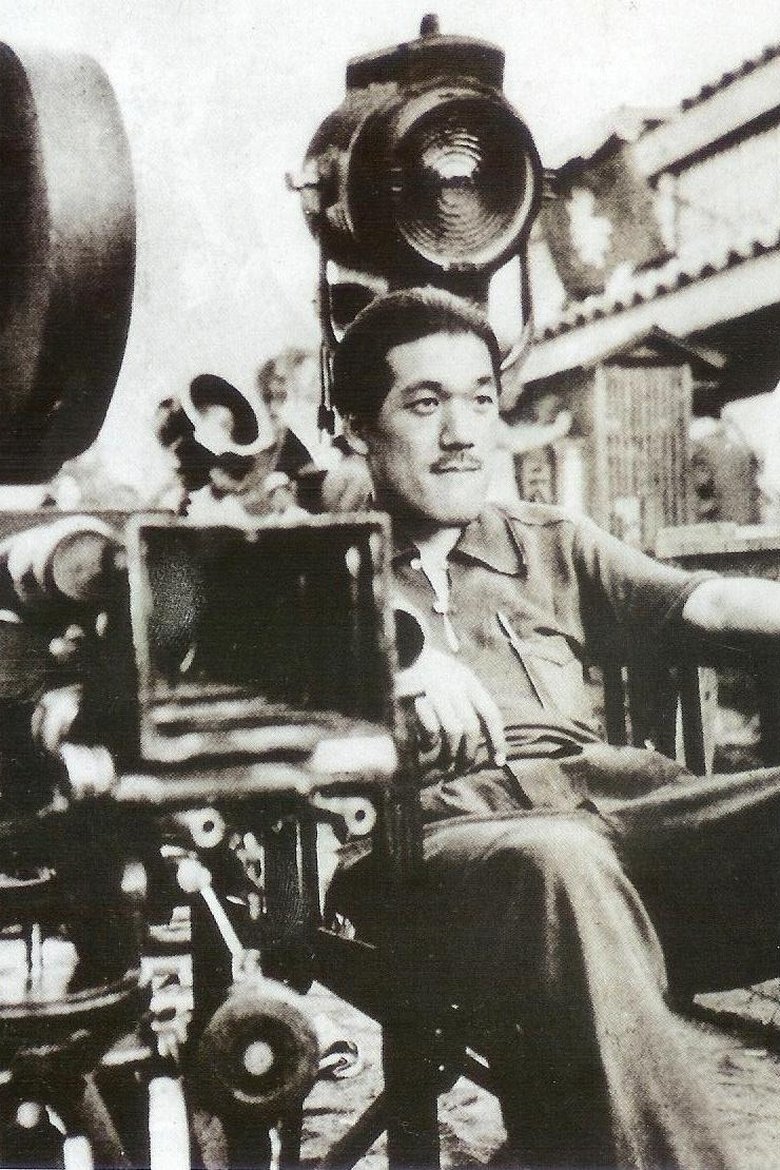
Sadao Yamanaka
Sadao Yamanaka (山中 貞雄, Yamanaka Sadao, November 7, 1909 – September 17, 1938) was a Japanese film director and screenwriter who directed 26 films between 1932 and 1938. He was a contemporary of Yasujirō Ozu, Mikio Naruse and Kenji Mizoguchi and one of the primary figures in the development of the jidaigeki, or historical film. Yamanaka began his career in the Japanese film industry at the age of 20 as a writer and assistant director for the Makino company. In 1932, he began working for Kanjuro Productions, a small, independent film company similar to many others founded during the same period as it was centered around a popular jidaigeki film star, this time Kanjuro Arashi. Here, he began directing his first films, all of which were jidaigeki. During his first year at Kanjuro, he made six films. He was "discovered" by the critic Matsuo Kishi and gained a reputation for creating films that escaped clichés and focused on social injustices. Early on, he had stated an interest in blurring the lines between several genres: comedy, historical epics, and comedy-dramas focusing on average people. Viewers and critics note in his surviving films the genesis of ideas later explored by the internationally successful Akira Kurosawa, Kenji Mizoguchi, Yasujirō Ozu and Seijun Suzuki. He formed the Narutaki-gumi with his friends, and they wrote under the pseudonym Kimpachi Kajiwara. Yamanaka has been characterized as a minimalist, one whose style favoured elegance and rhythm. During the 1930s he moved between several film companies, eventually settling in Kyoto and working for the Nikkatsu Company. Most of his films were silent films as sound did not gain a prominence in Japan until 1935-36. He worked twice with the Japanese theatre troupe Zenshin-za: first on The Village Tattooed Man (Machi no Irezumi-mono, 1935) and on his final film, Humanity and Paper Balloons. Yamanaka died of dysentery in Manchuria after being drafted into the Imperial Japanese Army. He is the uncle of the Japanese film director Tai Kato, who wrote a book about Yamanaka, Eiga kantoku Yamanaka Sadao. Only three of his films survive in nearly complete form. Description from the Wikipedia article Sadao Yamanaka, licensed under CC-BY-SA.
Main movies and TV shows
- Humanity and Paper Balloons (1937) — Director
- Tange Sazen and the Pot Worth a Million Ryo (1935) — Director
- Priest of Darkness (1936) — Director
- Saga of the Vagabonds (1959) — Writer
- Detective Umon's Diary, Story No. 6 (1930) — Writer
- Bangaku no issho (1933) — Director, Writer
- Ishimatsu from the Forest (1937) — Director, Writer
- Kunisada Chūji (1935) — Director
- Mito Komon - The Bloody Swords (1935) — Writer
- Mito Komon - The Secret Letter (1935) — Writer
- The Village Tattooed Man (1935) — Director, Writer
- Gantaro Path (1934) — Director
- Mito Kômon: Rai Kunitsugu no maki (1934) — Writer
- The Elegant Swordsman (1934) — Director, Writer
- Jirokichi the Rat-Kid: Edo Reel (1933) — Director, Writer
- Jirokichi the Rat-Kid: Edo Reel Part 2 (1933) — Director, Writer
- Jirokichi the Rat-Kid: The Journey (1933) — Director, Writer
- Satsuma Courier Part 2: The Passionate Sword (1933) — Director, Writer
- Iso-no-genta's Sword (1932) — Director, Writer
- Ogasawara Ikinokami (1932) — Director, Writer
Facts
- Born: November 7, 1909
- Place of birth: Kyoto, Japan
- Died: September 17, 1938, Manchuria, People's Republic of China, aged 28
- Nationality: Empire of Japan
- Occupations: Director, Screenwriter
- Languages: Japanese
Detailed biography
Career
Yamanaka began his career in the Japanese film industry at the age of 20 as a writer and assistant director for the Makino company.
In 1932, he began working for Kanjuro Productions, a small, independent film company similar to many others founded during the same period as it was centered around a popular jidaigeki film star, this time Kanjuro Arashi. Here, he began directing his first films, all of which were jidaigeki. During his first year at Kanjuro, he made six films. He was "discovered" by the critic Matsuo Kishi and gained a reputation for creating films that escaped clichés and focused on social injustices. He formed the Narutaki-gumi with his friends, and they wrote under the pseudonym Kimpachi Kajiwara.
During the 1930s he moved between several film companies, eventually settling in Kyoto and working for the Nikkatsu Company. Most of his films were silent films as sound did not gain a prominence in Japan until 1935-36. He worked twice with the Japanese theatre troupe Zenshin-za: first on The Village Tattooed Man (Machi no Irezumi-mono, 1935) and on his final film, Humanity and Paper Balloons.
Wartime and death
Yamanaka was drafted into the Japanese army on the same day that Humanity and Paper Balloons premiered. After just over one year, Yamanaka died in a field hospital on 17 September 1938, aged 28, in the Japanese ruled Manchukuo, known today as Manchuria. The cause of death was inflammation of the intestines.
Style
Early on, Yamanaka had stated an interest in blurring the lines between several genres: comedy, historical epics, and comedy-dramas focusing on average people. Viewers and critics (notably, Donald Richie and Tadao Sato in pioneering studies of Japanese cinema) note in his surviving films the genesis of ideas later explored by the internationally successful Akira Kurosawa, Kenji Mizoguchi, Yasujirō Ozu and Seijun Suzuki.
Yamanaka has been characterized as a minimalist, one whose style favored elegance and rhythm. In fact, he was a close friend of Ozu, who is often noted as a minimalist too. He also shared with Ozu the talent for portraying communities realistically and in rich detail. Yamanaka was a master of staging in depth with which to relate his characters to a wider milieu in the background. Ozu suggested that had he lived, he would have turned to contemporary dramas (Ozu's specialty) instead of jidaigeki.
Influences
Yamanaka based many of his films' narratives and imagery on foreign films and on Ozu adaptations of the same.
Tange Sazen was based on Stephen Robert's 1932 Lady and Gent, about a boxer and a barmaid who bring up an orphan.
Kōchiyama Sōshun was based on Ozu's Dragnet Girl, about a gangster who is attracted to an innocent young woman, based on Josef von Sternberg's gangster films.
Yamanaka is also said to have been inspired by Hollywood films such as Rouben Mamoulian's City Streets, Edmund Goulding's Grand Hotel and Frank Capra's It Happened One Night.
Reception
Director Kazuo Kuroki once said of Yamanaka, "Every film he made wonderfully depicted human purity and chastity with a tender, delicate gaze. I was astonished that a young man in his twenties accomplished such perfection."
Partial filmography (surviving films)
Tange Sazen and the Pot Worth a Million Ryō (1935) - Tange Sazen Yowa: Hyakuman Ryo no Tsubo (丹下左膳余話 百万両の壺)
Kōchiyama Sōshun (1936) (河内山宗俊)
Humanity and Paper Balloons (1937) - also known as Ninjo Kamifusen (人情紙風船)
Source: Wikipedia — Text licensed under CC BY-SA 4.0