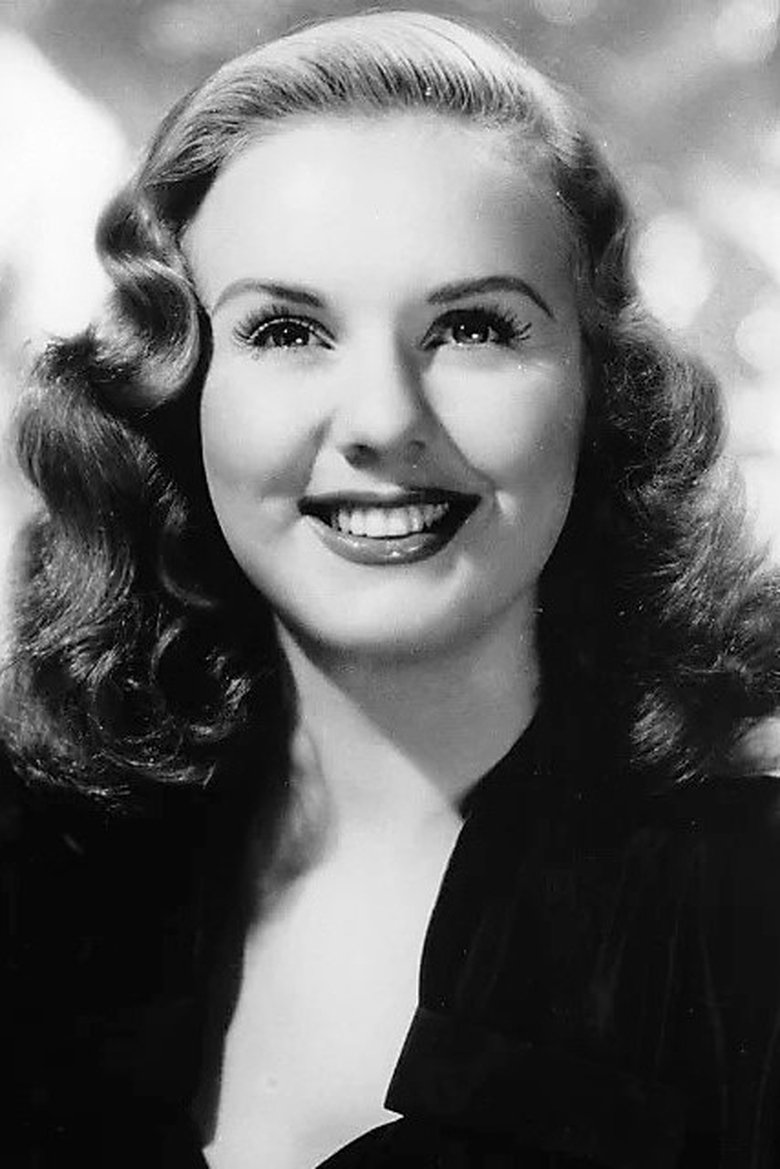
Deanna Durbin
Edna Mae Durbin (December 4, 1921 – April 17, 2013), known professionally as Deanna Durbin, was a Canadian-born actress and singer, who moved to the USA with her family in infancy. She appeared in musical films in the 1930s and 1940s. With the technical skill and vocal range of a legitimate lyric soprano, she performed many styles from popular standards to operatic arias. In 1946, Durbin was the second-highest-paid woman in the United States, just behind Bette Davis; her fan club ranked as the world's largest during her active years. Durbin was a child actress who made her first film appearance with Judy Garland in Every Sunday (1936), and subsequently signed a contract with Universal Studios. She achieved success as the ideal teenaged daughter in films such as Three Smart Girls (1936), One Hundred Men and a Girl (1937), and It Started with Eve (1941). Her work was credited with saving the studio from bankruptcy, and led to Durbin being awarded the Academy Juvenile Award in 1938. As she matured, Durbin grew dissatisfied with the girl-next-door roles assigned to her and attempted to move into sophisticated non-musical roles with film noir Christmas Holiday (1944) and the whodunit Lady on a Train (1945). These films, produced by frequent collaborator and second husband Felix Jackson, were not as successful; she continued in musical roles until her retirement. Upon her retirement and divorce from Jackson in 1949, Durbin married producer-director Charles Henri David and moved to a farmhouse near Paris. She withdrew from public life, granting only one interview on her career in 1983.
Main movies and TV shows
- That's Entertainment! (1974) — (archive footage) (uncredited)
- Lady on a Train (1945) — Nikki Collins / Margo Martin
- Christmas Holiday (1944) — Jackie Lamont / Abigail Martin
- It Started with Eve (1941) — Anne Terry
- One Hundred Men and a Girl (1937) — Patricia Cardwell
- Three Smart Girls (1936) — Penny Craig
- First Love (1939) — Constance (Connie) Harding
- Spring Parade (1940) — Ilonka Tolnay
- Every Sunday (1936) — Edna
- Can't Help Singing (1944) — Caroline Frost
- The Amazing Mrs. Holliday (1943) — Ruth Kirke Holliday
- Mad About Music (1938) — Gloria Harkinson
- Something in the Wind (1947) — Mary Collins
- Hers to Hold (1943) — Penelope ‘Penny’ Craig
- His Butler's Sister (1943) — Ann Carter
- It's a Date (1940) — Pamela Drake
- Three Smart Girls Grow Up (1939) — Penny Craig
- That Certain Age (1938) — Alice Fullerton
- For the Love of Mary (1948) — Mary Peppertree
- Up in Central Park (1948) — Rosie Moore